How Much Do Solar Panels Cost in 2026
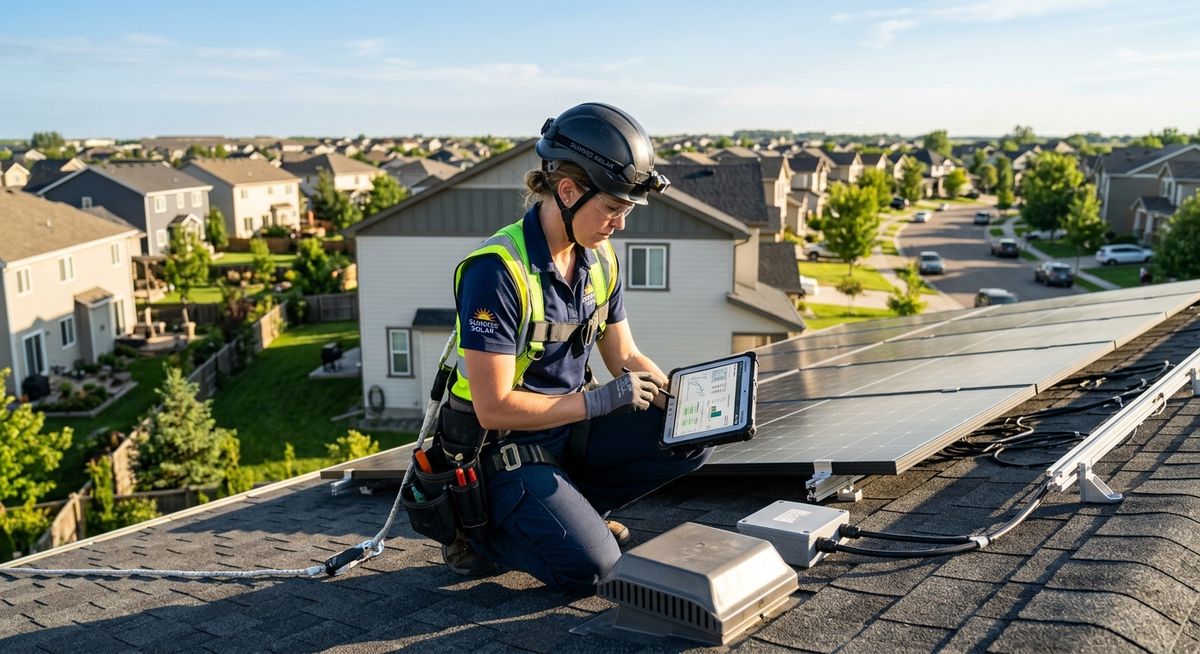
The average cost of a residential solar panel system in 2026 ranges from $15,000 to $25,000 before incentives, depending on your location, system size, and equipment choices. After applying the 30% federal tax credit, most homeowners pay between $10,500 and $17,500 for a fully installed system.
Average Solar Panel Cost by System Size
System prices vary based on how much electricity you need to generate. Here is a general pricing guide for 2026:
- 4 kW system - $10,000 to $14,000 (ideal for small homes or apartments)
- 6 kW system - $15,000 to $18,000 (covers most average households)
- 8 kW system - $18,000 to $22,000 (larger homes with higher usage)
- 10 kW system - $22,000 to $28,000 (large homes, EVs, or pool heating)
Use our Solar Savings Calculator to get a personalized estimate based on your electricity usage and location.
What Affects the Cost of Solar Panels?
Several factors influence your total installation cost:
- Panel type - Monocrystalline panels cost more upfront but deliver better efficiency and long-term value
- Inverter choice - Microinverters add $1,000 to $2,000 but improve performance in partial shade
- Roof complexity - Multi-level roofs, steep pitches, or tile roofing increase labor costs
- Local labor rates - Installation costs vary by 20-40% depending on your state
- Permitting fees - Range from $200 to $2,000 depending on your municipality
How to Lower Your Solar Panel Cost
The single biggest cost reduction comes from the federal solar investment tax credit (ITC), which covers 30% of your total system cost through 2032. Many states offer additional rebates and credits - check the State Incentive Finder to see what is available in your area.
Other ways to reduce costs include getting multiple quotes from local installers, choosing standard equipment over premium brands, and timing your purchase during off-peak installation seasons (fall and winter).
Is Solar Worth the Investment?
For most homeowners, solar panels pay for themselves within 6 to 10 years and continue generating free electricity for another 15 to 20 years after that. To see exactly when your system would break even, try our Payback Period Calculator.
With electricity rates rising an average of 3-5% per year, locking in your energy costs with solar is one of the smartest financial moves you can make in 2026.
Frequently Asked Questions
How much do solar panels cost for a 2,000 sq ft house?
A typical 2,000 sq ft home needs a 6-8 kW solar system, costing $15,000 to $22,000 before incentives. After the 30% federal tax credit, expect to pay $10,500 to $15,400 out of pocket.
Are solar panels cheaper in 2026 than previous years?
Yes, solar panel prices have dropped roughly 8-12% compared to 2024 due to increased manufacturing capacity and improved technology. The average cost per watt in 2026 is $2.50 to $3.50 installed.
Can I finance solar panels instead of paying cash?
Yes. Solar loans, leases, and power purchase agreements (PPAs) are widely available. Solar loans let you own the system and claim the tax credit, while leases and PPAs require zero upfront cost but the provider owns the panels.